Retirement and marriage are tied together far more tightly than most couples expect. We spend decades planning the money side of retirement and almost no time planning what it will ask of the relationship. In my therapy office, retirement is rarely a financial event. It’s a relationship event.
When The Washington Post interviewed me about this, I was glad to see a national conversation finally turn toward what I talk about with couples every week. Reading the hundreds of reader comments afterward, I realized there was more to say. Couples who want support through this transition can learn about couples therapy for older adults at our practice, but first, here’s what I see.
What happens to a marriage when both partners retire?
When it comes to retirement and marriage, the transition doesn’t create new problems so much as reveal old ones. For decades, careers, kids, commutes and caregiving gave the marriage structure. They also gave both of you plenty of places to hide.
When that structure falls away, the patterns underneath become hard to ignore. Two people who saw each other a few hours a day are now sharing a kitchen from breakfast to bedtime. Whatever you’ve been stepping around for twenty years is suddenly sitting at the table with you.
“This should be the best time of our lives”
I recently worked with a couple whose story has stayed with me. (As always, I’ve changed identifying details, but the dynamic is one I see often.) They’d done everything right on paper: financial security, a lovely home and the health to travel.
“This should be the best time of our lives,” the husband told me. He wanted his wife to see the career, the security and the dream home as thirty years of love in action.
His wife answered without much expression at all: “I can’t get over how disconnected we’ve been all these years.” She wasn’t questioning how hard he’d worked. She was naming what it had cost: postponed date nights, conversations that never happened and stress that sometimes spilled over.
They weren’t really arguing about retirement. They were grieving two different versions of the same thirty years.
He saw sacrifice that bought security. She saw sacrifice that cost connection. Both stories were true, and that’s the tension at the center of so many conversations about retirement and marriage.
Do you know who your partner is becoming?
One of my favorite Gottman Method ideas is the love map: what you know about your partner’s inner world, their worries, hopes and history. Love maps need updating at every stage, and retirement may be the biggest update of all.
Many people don’t even know themselves yet in this chapter. Who am I if I’m not the person everyone depends on? Who am I if I don’t introduce myself by my job title? Try asking each other:
- What excites you most about this next chapter?
- What worries you, or feels uncertain?
- What will you miss about working?
- What gives you a sense of purpose now?
At every stage, the healthiest couples aren’t the ones who stop changing. They’re the ones who keep getting curious about each other as they change, which is the heart of my curious vs furious approach.
Is it normal to feel sad after retiring?
Yes, and it’s one of the topics I wish the Post piece had had more room for. Retirement can bring real freedom. It can also mean saying goodbye to parts of yourself you’ve known for decades.
Some people miss the structure of work or colleagues who felt like family. Others grieve the version of themselves who believed they could always outwork any problem, or they feel let down by a body that doesn’t have the energy it used to. Psychologists call this kind of loss disenfranchised grief, because the world tells you to celebrate while you’re privately mourning.
For some people, those feelings slide into depression in the first years after retiring, and many don’t recognize it because retirement is supposed to feel like a reward. You’re allowed to be grateful and grieving at the same time. If your partner seems flat or withdrawn, gently ask how they’re really doing, and consider individual mental health support alongside couples work.
What if we want different things from retirement?
This is one of the most common sources of conflict I see. One partner is counting the days, while the other loves their work and has no desire to stop. Neither is wrong.
The question isn’t “Who’s right?” It’s “Help me understand what retirement means to you.” You’re rarely arguing about a date on the calendar. You’re talking about identity, purpose, security and freedom.
It also helps to drop the judgment some people carry about going back to work. For plenty of retirees, work isn’t about money. It provides purpose, community and confidence. A better question than “Why are you still working?” is “What need is work meeting for you?”
When does retirement put a marriage at risk?
Divorce after fifty has risen sharply over the past few decades, and retirement is one of the moments when long-simmering distance becomes impossible to ignore. If one of you is starting to wonder whether you want to spend the next twenty years together, don’t wait until the decision feels made.
Our gray divorce counseling is designed for exactly this stage. And if you’re still in the planning years, read my thoughts on creating shared meaning together. The same skills that help newlyweds build traditions help long-married couples build a second act.
Frequently asked questions about retirement and marriage
Does retirement increase the risk of divorce?
It can. Retirement doesn’t cause divorce on its own, but it removes the routines that kept distance hidden, so couples who’ve drifted apart often feel it suddenly and sharply.
How can couples prepare emotionally for retirement?
Talk about it years before it happens. Discuss what each of you wants your days to look like, what you’ll miss and what worries you, the same way you’d plan the finances.
Should we see a couples therapist before retiring?
If you’re already feeling distant, yes. It’s far easier to renegotiate a marriage before retirement than after resentment has had a year of shared mornings to grow.
Retirement is an invitation
We prepare so carefully for the financial side of retirement and so little for the identities we’ll leave behind and the new ones we’re about to discover. The strongest couples prepare for rediscovery, not just retirement. If you’d like help starting that conversation, request an appointment with me.
About Dr. Dana McNeil
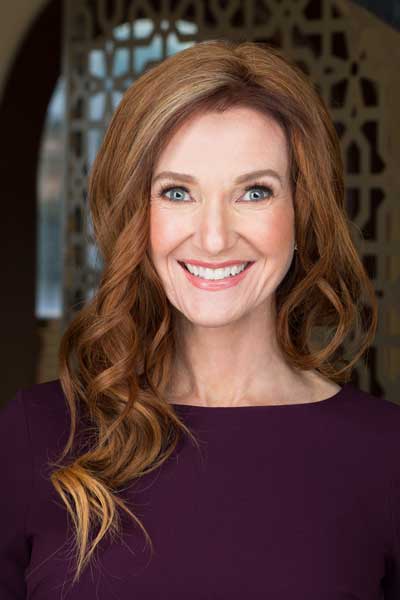
Dr. Dana McNeil, PsyD, LMFT, is a Certified Gottman Therapist and the founder of The Relationship Place in San Diego. She helps couples through life’s biggest transitions, including retirement, empty nest and gray divorce, and has been featured in The Washington Post, Good Housekeeping, Oprah Daily and Martha Stewart.